
Frequently Asked Questions
Who do you teach? What do you teach? Where do you teach?
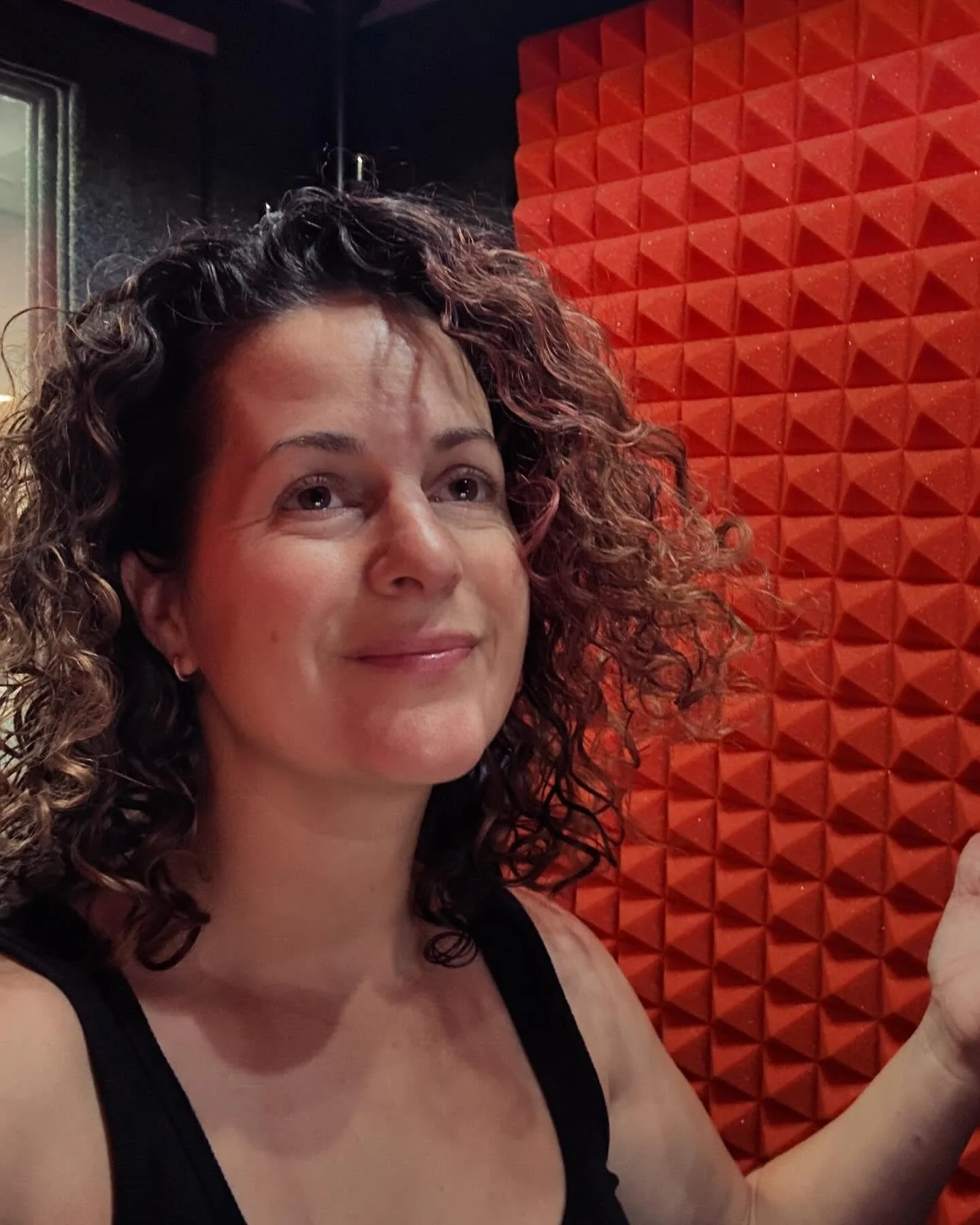
Joyful Singing is a voice studio for adults who miss singing joyfully. I teach CCM — commercial, contemporary, popular/mic styles, musical theatre included — to adults at every level, from shower singers to professional recording artists. I work with clients online from anywhere, in-person in Portland, Maine, and I have an active client hub in Washington, DC. At the center of that is me! I'm Mary Candler and I wear a few hats in the studio. I am a singing technique teacher, thinking about the anatomy and science, who also wears a vocal coaching hat as I think about your artistic and creative journey. I’m also a community builder, working toward a world where all the singers that enter my studio feel cheered on by the other clients on their own journeys.
We're a team—What's it like working with you?
I'm not up here handing down verdicts on your voice. I'm in the trenches with you, figuring it out together. You're the arbiter of your own sound. Think of me as your experienced co-pilot, coach, or guide. I'm here to help you make the sounds you want to make, in the most free and efficient way possible, dusting off the old pipes if it's been a while. It takes time, but it's worth it.
What's your teaching style all about?
I specialize in CCM, commercial, contemporary, and popular/mic styles, musical theatre included, taught with a lot of playfulness and laughter. We celebrate the squeaks and squawks as an essential part of the process, because joyful hearts make easy, free sounds. I know the science and share as much of it as you want, but I also lean on words and images that help you feel what's happening in your voice and body. Every voice and every body is different, so these lessons are bespoke: no two clients get the same path.
What does a first session look like?
As I mentioned, everything is deeply tailored to you, your experience, and your energy. But generally speaking, we’ll touch base as human beings - and begin to make sounds. Not singing sounds - just wacky sounds: sirens, cartoony voices, quacks, etc. (I learn so much about your voice without even singing!) Then, we add some structure and explore - where is your voice happiest, what’s too low, what’s too high for now. And then I will introduce some exercises that might help you develop (or re-develop) some effective habits. We will talk through your experiences with these sounds…and potentially laugh a lot too.
What's the first step — do you offer a discovery call?
Yes—before booking lessons, we start with a discovery call on Zoom. It's a low-pressure chance to talk through where you are as a singer, what you're hoping for, and whether we're the right fit. The voice teacher/singer relationship can be very deep - so it’s important to get it right… for both of us! Link to book here.
Do you offer groups?
Right now, my bread and butter is 1:1 sessions—that's where the deepest, most bespoke work happens. I also run studio sharings, collaborative intensives, and singing groups from time to time, so you've got a place to bring what you're working on and sing with people, not just for them.
Are there performance opportunities?
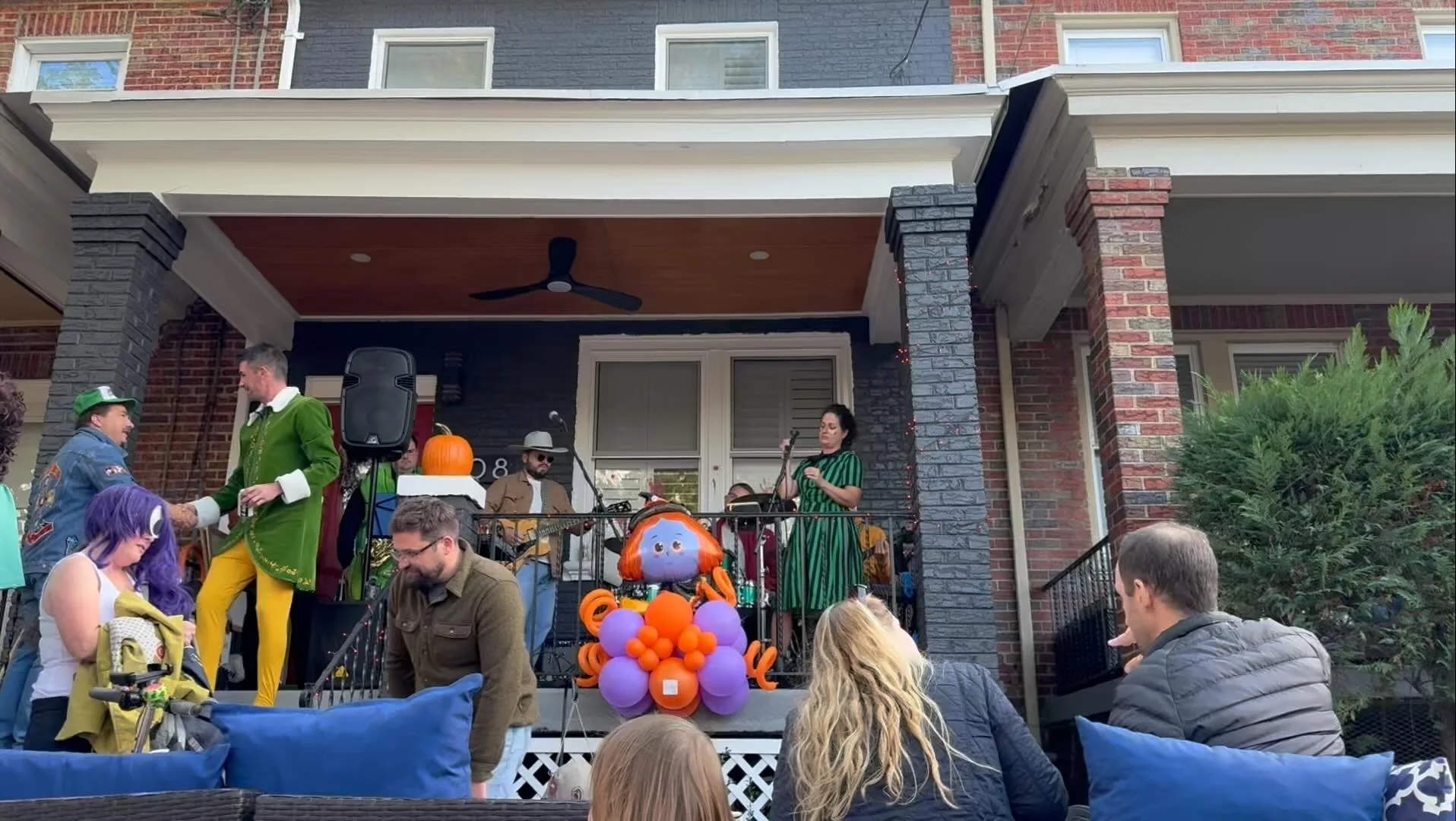
We do quarterly studio sharing which are just for studio members. It’s a place to practice being seen by others, try out new material, and polish stuff you feel good about. From time to time, I poll my clients to see if they want to do a showcase for an invited audience—when folks do, we do it!
What else do you offer?
Beyond 1:1 lessons: studio sharings, collaborative intensives, and singing groups — plus free bimonthly Practice Parties, drop-in community sings, and a platform for singers who want connection as much as skill-building.
What are practice parties?
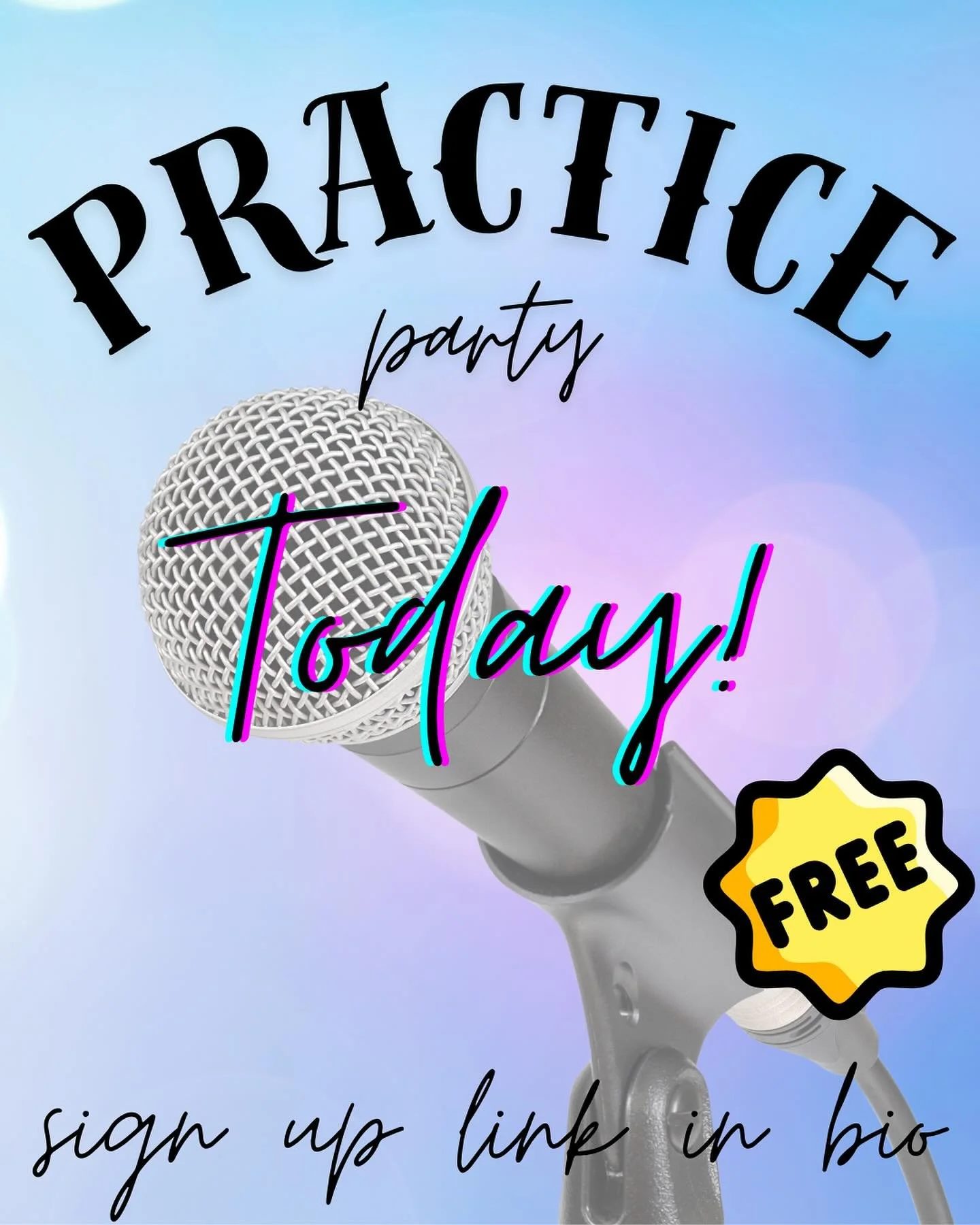
I’m so glad you asked. Practice parties hold space for folks as they work independently. It’s solo practice in communal space. Sign up for free, join us on zoom, chit chat and commune, and then get down to work (on camera on mute). Link to RSVP here.
Do you work with singers in DC?
Yes — DC is home base for a lot of my community. I work with DC-based clients online, and we also come together in person: I encourage IRL meetups between lessons, and we regularly gather for studio sharings as a group. If you're in DC, you get both the flexibility of online lessons and a real, in-person community to sing alongside.
What are your dreams?
A singing summer camp is on the list. I’m in Maine after all.
But maybe a winter camp in the Caribbean?
And maybe a singing group for new moms on maternity leave?
And maybe one-day choirs?
And maybe owning a coffee shop/bar with studios upstairs and a performance venue in the back. I’m imagining the Peach Pit…but for singers! Or The Max for creative souls. (If you get those references, you are definitely in the same decade as me.)
What are some of your greatest teaching successes?
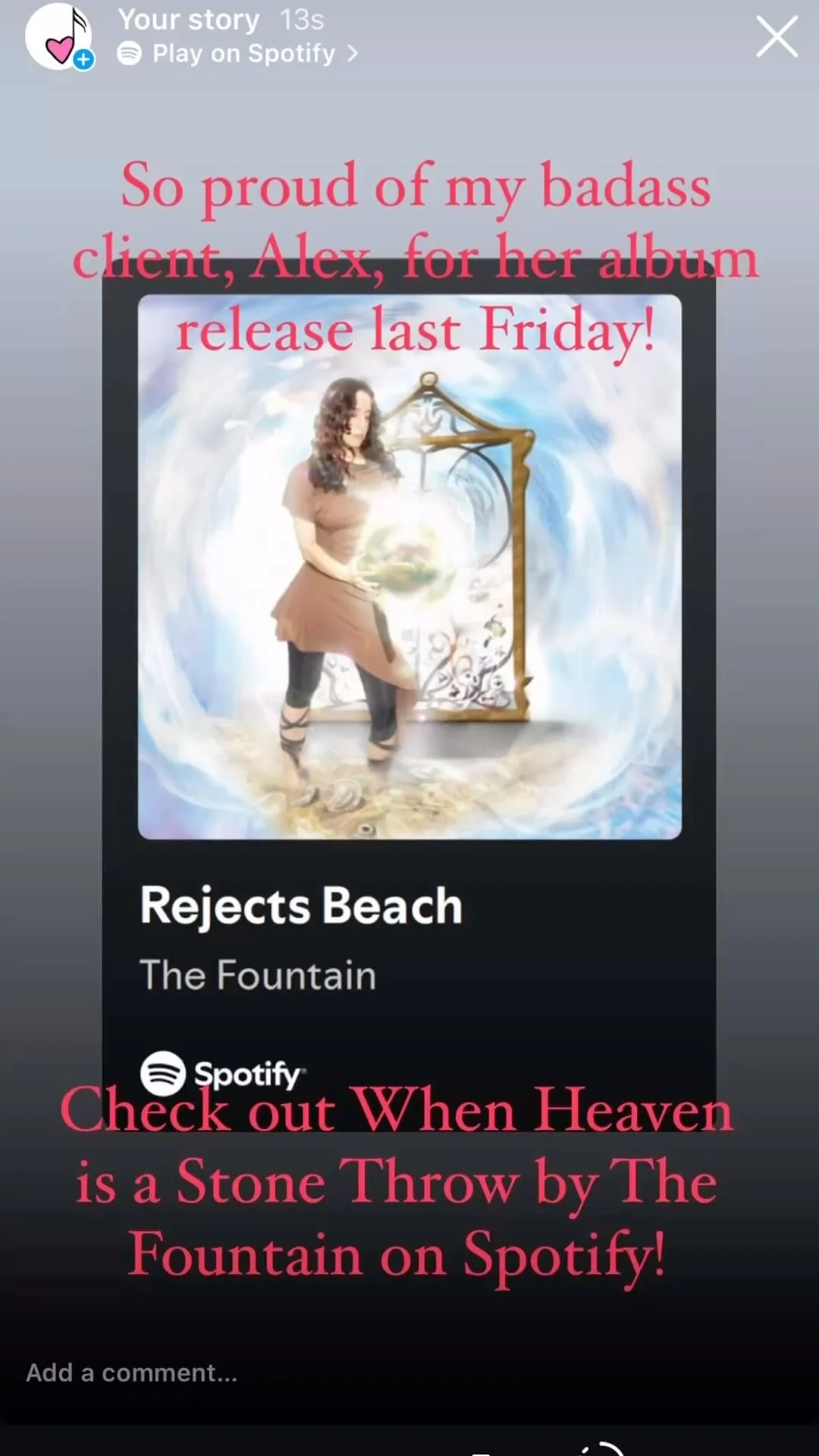
There are external success and meaningful internal ones. I’ve helped a client book a national tour (woohoo!). I supported a client on her successful audition for LaGuardia HS for the performing arts (the Fame school). I helped a client land a gig as the lead singer for a well-known cover band. I’ve also guided a client who couldn’t match pitch to singing actual songs.
Quick facts
Do you offer online singing lessons?
Yes. Same real training, same real connection, just over video instead of in the room. I use a platform called Forte, which is designed specifically for singers. It’s the best sound quality and lowest latency around. Plus… it’s not the same old same old that you use for work calls.
Is there a voice teacher in Portland, Maine?
Yes — I teach in-person in Portland, Maine, alongside my online studio.
Do you work with singers in NYC?
My first studio hub! Yes, I still work with singers in NYC - and come into town from time to time to meet up in person.
What's the best voice teacher for pop or musical theatre singers?
I specialize in CCM — commercial and contemporary music, popular/mic styles, and musical theatre. If you want to sing what you actually hear on the radio, at karaoke, or on a musical theatre stage, that's exactly what I teach.
What's the difference between classical and CCM voice training?
Classical music requires a very specific set of skills that, frankly, doesn’t intersect that much with popular music. You don’t need to train classically to be a “real singer.” You do need to train classically to professionally sing classical music.
Yes, I do have classical training and have sung classically, so I am happy to dabble in classical music with you — but I am not an expert in this area, so if you’re greatest love is opera, I recommend finding a teacher that specializes in that!
How much do voice lessons cost?
My clients budget $150-$500 per month depending on their goals and cadence.
Do you work with adult beginners, or only experienced singers?
Both, and everything in between. Shower singers. Karaoke queens. Former choir leaders. Band leaders. Musical theatre mafia. Professional recording artists. If you've got a voice and a reason to use it, you belong here.
Is this NYC/DC-level training?
Yes. My training and approach come straight out of the NYC/DC professional scene — the same caliber of technique and coaching you'd find there, whether you're working with me online, in DC, or in-person in Portland.
I hold a BA in Music from Duke University and an MFA in Classical Acting from George Washington University's Academy for Classical Acting. I studied vocal pedagogy with Justin Stoney (NYC) and Maddie Tarbox (DC) and am certified through the New York Vocal Coaching Teacher Training and Maddie Tarbox Studios. I am a “PedHead,” which helps me stay current on the newest research and pedagogical tools for singing teachers. I am a nerd for this stuff.